Daily briefing

The highest-signal conversations on the future of work — what matters, parsed from what doesn’t.

Curated daily. No account needed. ~3-minute read.

IndustryCybersecurity
Top stories this weekRanked by editorial value · last 7 days

From signals to standards

From signal to skill.

We turn work signals into benchmarks people can practice and companies can trust.

Latest stories12 signals · newest published
YouTube Music podcast·Video / Podcast·6d ago

AI Engineering in Mexico - Full Interviews

An interview series on AI models for orchestrating recruiting and assessing technical talent in Mexico.

Why it mattersThis surfaces how AI is starting to reshape recruiting workflows and candidate evaluation in a specific labor market, with implications for hiring quality, signaling, and the roles of recruiters and managers.

HR & Recruiting1 sourceDiscuss →
YouTube Music podcastYOUTUBE
Semafor·News·6d ago

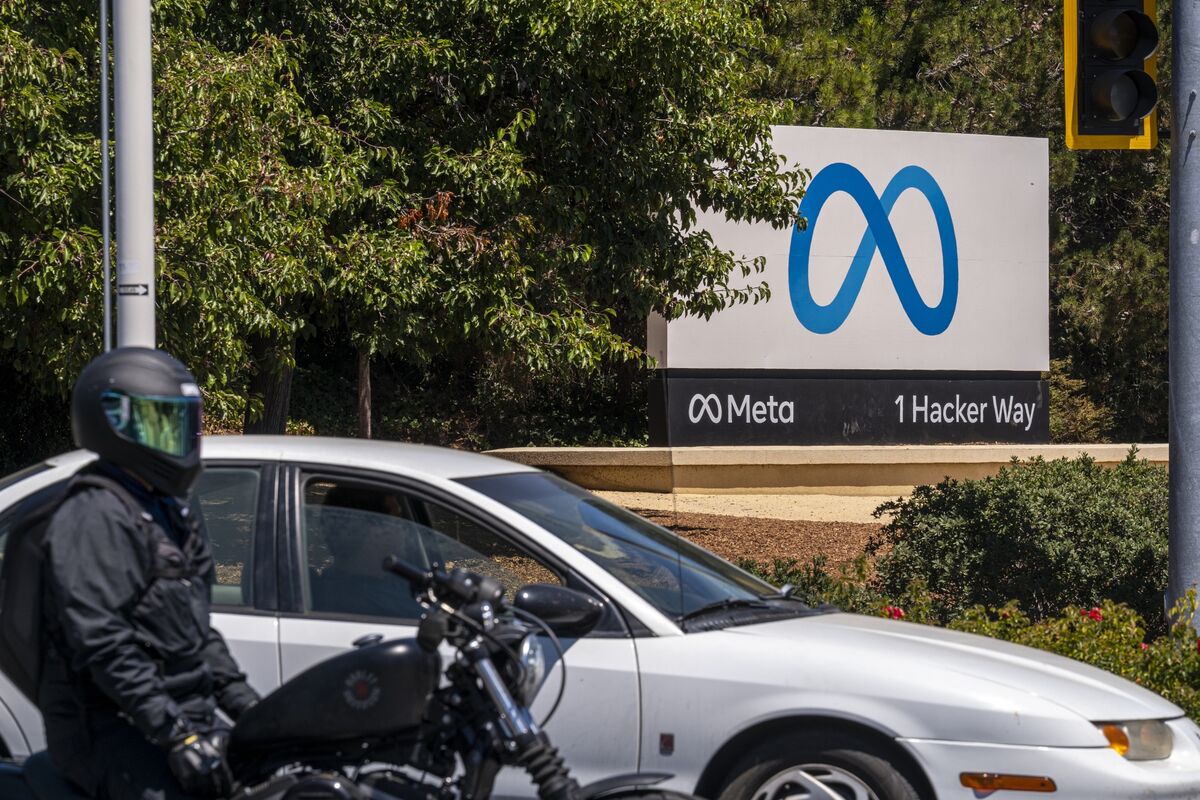
Meta layoffs add to AI angst

Semafor reports that Meta’s layoffs are feeding broader anxiety about AI-driven cost cuts and job security, especially among workers and students.

Why it mattersThis connects a major tech layoff story to a wider labor-market signal: AI is not just changing tasks, it is shaping expectations about hiring, stability, and career risk.

Technology1 sourceDiscuss →
SemaforWEB
Reddit·Social Thread·6d ago

AI and work are showing up as recurring worker experiences across recruiting, layoffs, and antiwork communities.

A Reddit-based synthesis points to recurring worker complaints about AI screening and AI-run interviews, alongside layoffs and broader job-displacement anxiety.

Why it mattersThis captures a live worker-side signal that AI is already changing hiring and employment experiences, not just future planning. For readers tracking labor markets, it shows where automation pressure is being felt first: recruiting, screening, and layoff narratives.

Multiple / Cross-Industry4 sourceDiscuss →
RedditREDDIT
Reddit·Social Thread·6d ago

Who’s really lost their job?

Reddit discussion on layoffs and automation, with commenters pointing to cloud automation, AI tools, and RPA bots as job displacers.

Why it mattersIt surfaces how workers and observers are connecting AI and automation to real job loss, which is useful signal for tracking where substitution fears are intensifying and what functions may be next.

Multiple / Cross-Industry1 sourceDiscuss →
RedditREDDIT
Reddit·First-Person Field Note·6d ago

Manager pressured the whole team to learn AI tools on our own time and money

A Reddit post describes a manager pushing a developer team to learn AI tools on their own time and money, surfacing pressure around unpaid upskilling and who pays for AI adaptation at work.

Why it mattersThis shows how AI adoption can shift training costs and time burdens onto workers, not just employers. For teams, it signals a growing expectation to self-fund and self-manage AI reskilling, which affects morale, equity, and how quickly new tools actually get used.

Technology2 sourceDiscuss →
RedditREDDIT
🔴 KNEON 🔴·Social Thread·7d ago

University of Arizona graduation booing over AI speech

Trending X summary about University of Arizona graduates booing an AI-focused speech, framed as a reaction to job anxiety and fears about entry-level work.

Why it mattersThis captures a public, cultural flashpoint around AI and early-career insecurity. Even as a trending social item, it shows how students are connecting AI to the value of degrees, entry-level jobs, and the transition into work.

Education1 sourceDiscuss →
🔴 KNEON 🔴X
Reddit·Social Thread·7d ago

What jobs are actually safe from AI?

A Reddit career guidance thread asks which jobs are safest from AI, with replies focusing on physical work, liability, and how automation may shrink teams.

Why it mattersThis captures a live question many workers are asking: which roles are resilient when AI starts changing task mix, staffing, and hiring. The discussion is useful because it surfaces practical criteria people use to judge job safety, not just abstract AI hype.

Multiple / Cross-Industry1 sourceDiscuss →
RedditREDDIT
YouTube Music podcast·Video / Podcast·7d ago

Podcast chapter on the future of labor, job roles, and AI impact

Podcast episode chapter framing the discussion around AI’s impact on labor, job roles, and workforce economics.

Why it mattersIt surfaces how AI is being discussed in terms of jobs and labor-market change, not just product features. That makes it useful for readers tracking which roles may shift, where pressure may build, and how employers and workers are thinking about AI-driven task reallocation.

Multiple / Cross-Industry1 sourceDiscuss →
YouTube Music podcastYOUTUBE
Reddit·Social Thread·7d ago

Has anyone actually been replaced by AI ?

Reddit discussion thread asking whether anyone has actually been replaced by AI, with comments citing call centers, copy editing, and where automation still falls short.

Why it mattersUseful worker-level signal on where AI is already changing tasks versus where replacement claims remain limited, especially for labor-market monitoring.

1 sourceDiscuss →
RedditREDDIT
Hacker News·Essay / Analysis·7d ago

AI Doesn't Reduce Work–It Intensifies It

Hacker News discussion arguing that AI may intensify knowledge work through more monitoring, iteration, and burnout rather than simply reducing workload.

Why it mattersUseful signal on how practitioners think AI is changing day-to-day work conditions, not just productivity. Points to workload intensification and worker experience risks.

1 sourceDiscuss →
Hacker NewsHN
Trend stories8 signals · older high-relevance stories
AP News·News·88d ago

Fintech company Block lays off 4,000 of its 10,000 staff, citing gains from AI

AP reports that Block cut 4,000 jobs, or 40% of its staff, with the CEO citing AI-driven efficiency and a reorganization.

Why it mattersThis is a concrete example of AI being used to justify major headcount cuts, not just productivity rhetoric. It signals how efficiency gains may reshape staffing in fintech and beyond, with direct implications for hiring, job security, and management strategy.

Financial Services1 sourceDiscuss →
AP NewsWEB
AP News·News·210d ago

Amazon cuts 14,000 corporate jobs as spending on artificial intelligence accelerates

AP reports Amazon is cutting about 14,000 corporate jobs while accelerating AI spending, with company messaging that generative AI will reduce corporate workforce needs over time.

Why it mattersThis is a clear, high-signal example of AI investment translating into near-term job cuts. It shows how major employers may use generative AI to justify smaller corporate teams, affecting hiring, management, and white-collar labor demand.

Technology1 sourceDiscuss →
AP NewsWEB
Bloomberg·News·11d ago

US Is Starting to See Heavy Job Losses in Roles Exposed to AI

Bloomberg reports that several occupations exposed to AI have begun seeing notable job losses even while overall employment continues to grow.

Why it mattersThis is a direct labor-market signal that AI exposure may already be translating into measurable workforce impacts in specific roles, useful for tracking where automation pressure is becoming visible.

1 sourceDiscuss →
BloombergWEB
The Atlantic·Essay / Analysis·105d ago

America Isn't Ready for What AI Will Do to Jobs

A long-form analysis of how AI could reshape employment, with attention to recurring policy responses like UBI, retraining, and shorter workweeks.

Why it mattersIt frames AI as a labor-market and policy shock, not just a technology story, and surfaces the choices workers and institutions may face if job disruption accelerates.

Multiple / Cross-Industry1 sourceDiscuss →
The AtlanticWEB
Bloomberg·News·33d ago

Meta, Microsoft Cut Jobs to Offset Record AI Spending and Boost Efficiency

Bloomberg reports that Meta and Microsoft are cutting jobs while increasing AI investment, framing layoffs as part of a broader push to fund AI and improve efficiency.

Why it mattersThis is a clear signal that heavy AI capex is already affecting staffing decisions at major employers, with implications for tech labor demand, operating models, and future hiring patterns.

1 sourceDiscuss →
BloombergWEB
Who's been publishingSources we track, last 30 days